Encuentros con la buena gente / Meeting with good people: Daniel Capps
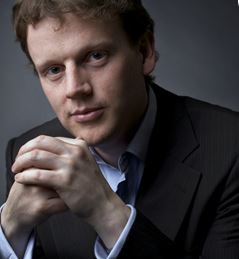
The key for ballet conducting is communication and understanding
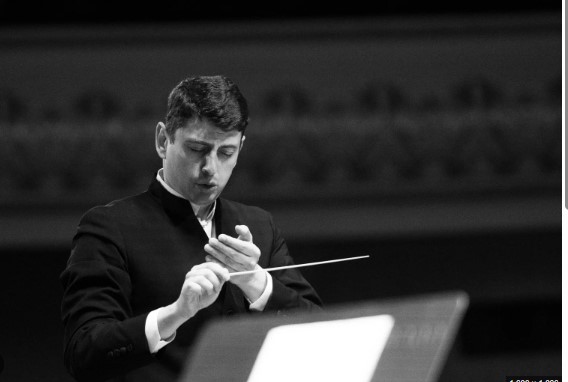
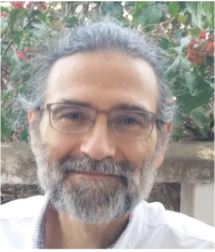
Daniel Capps es un prestigioso director de orquesta internacional que ejerce como director residente del New York City Ballet y colabora al mismo tiempo con el Royal Ballet. Ha dirigido giras internacionales por Estados Unidos, Europa y Asia, ha dirigido grabaciones galardonadas y colabora habitualmente con importantes orquestas, entre ellas la del Teatro Real de Madrid. Hoy tenemos el honor de entrevistarle en la ciudad de Murcia, en España.
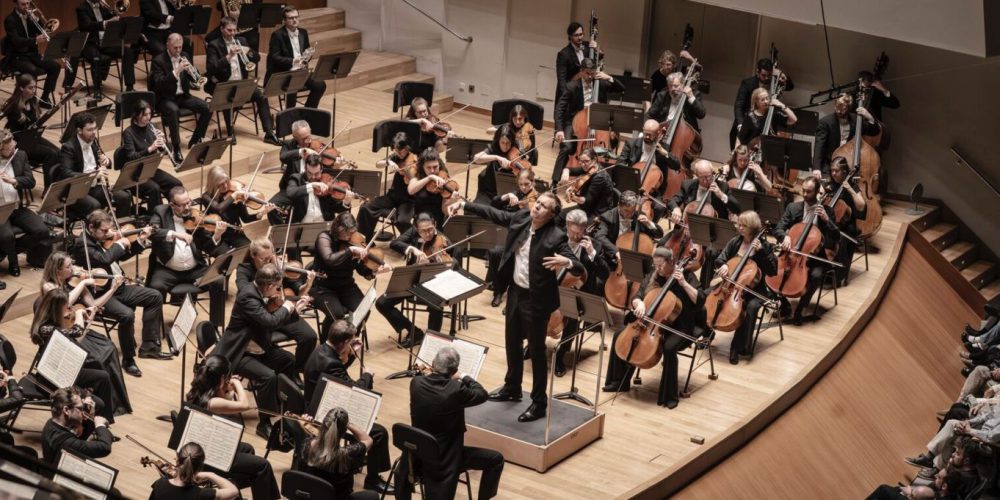
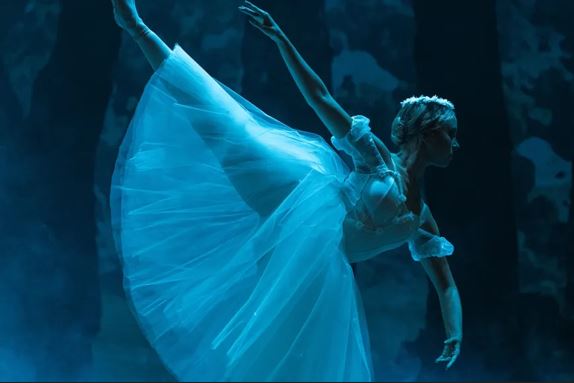
Este sábado dirigirá la Orquesta Sinfónica de la Región de Murcia que junto con el Ballet de Barcelona traerán al escenario del Auditorio Víctor Vallegas la prestigiosa obra Giselle.
Daniel Capps is a prestigious international conductor, serving as Resident Conductor of the New York City Ballet while also working with The Royal Ballet. He has led global tours across the US, Europe, and Asia, conducted award-winning recordings, and regularly collaborates with major orchestras, including Madrid’s Teatro Real. Today we have the honour to interview him in the city of Murcia, in Spain.
This Saturday, they will conduct the Symphony Orchestra of the Region of Murcia, which, together with the Barcelona Ballet, will bring the prestigious work of Giselle to the stage of the Víctor Villegas Auditorium.
Eres de Londres, pero también tienes mucha relación con Nueva York. ¿Dónde trabajas en estos momentos?
Sí. soy de Londres. Estudié allí. Trabajé con el Royal Ballet en Covent Garden durante unos 7 años, y entonces fui el director titular del New York City Ballet por 10 años. Así que vivo entre Inglaterra y Nueva York. Pero ahora trabajo en todas partes. Así que a veces vengo de Londres y otras veces vengo de Nueva York. Depende de lo que pase.
You are from London but also have a close relationship with New York. Where do you work now?
Yes, I’m from London. I studied there. I worked with the Royal Ballet at Covent Garden for maybe seven years, and then I was resident conductor for New York City Ballet for 10 years. So, I have a home in England and a home in New York. But now I work everywhere else. So sometimes I come from London and sometimes I come from New York. It depends what’s happening.
¿Hay diferencias importantes entre trabajar en un país o en otro?
Sí. Y también hay dos cosas muy diferentes, los músicos y los bailarines.
Otra distinción importante es que algunas orquestas tocan ballet con frecuencia y tienen mucha experiencia. Otras orquestas no tocan ballet con tanta frecuencia, y pueden ser muy buenas orquestas, pero algunas veces hay pequeñas cosas que son nuevas para ellos. Esto es bastante normal, pero entones tienes que, de alguna manera, encontrar la magia ahí. Se trata de un tipo de experiencia ligeramente diferente. Así que creo que en Londres y también en Nueva York, tienes orquestas que principalmente están especializadas en ballet, lo cuál es bastante inusual. No lo encuentras esto realmente en el resto del mundo. También hay diferencias en la forma en la que tocan. Las orquestas europeas, me refiero a Inglaterra y la Unión Europea, tocan de una forma un poco más delicada; muy muy hermosa. Y en América, también está muy muy bien, pero es mucho más directo. El sonido es mucho más inmediato, ligeramente un poco más estridente, lo cuál puede ser increíble, pero algunas veces haces algo y algo que no esperas te llega de vuelta, así que te tienes que adaptar dependiendo del carácter de la orquesta. Simplemente tienen diferentes caracteres y es técnico, es simplemente la forma en la que han sido enseñados. Esto es muy interesante. Y los bailarines son completamente diferentes en todo el mundo.
Pienso que la gran diferencia está en cómo ellos equilibran la importancia de la coreografía y la música. Hay algunas compañías para las cuales todo gira en torno a la coreografía y quizá no tienen tanto interés en la música, y veces quieren hacer cosas que son musicalmente un poco feas, pero se ven increíbles o parecen muy inteligentes. Hay algunas partes del mundo donde esto es normal.
Y también tienes el otro lado como New York City Ballet, por ejemplo, fundada por Balanchine que era ruso. Y sus ballets son tan buenos musicalmente. La elección de la música y la forma en la que se toca. Haces una buena interpretación en el concierto y está muy cerca de lo que ellos necesitan. Se siente mucho más natural. Aquellos bailarines realmente escuchan y para ellos la música es importante y los lleva. Todo gira en torno a la historia en su conjunto. No es un circo, es un ballet. Y es hermoso. Musicalmente es muy bueno, la coreografía es muy buena. Sin embargo, hay otras compañías donde no tienen tanto en cuenta la música y el resultado no es tan bueno.
Creo que una de las grandes dificultades de trabajar en ballet es que las compañías de ballet tienen tantos bailarines maravillosos, que han estado trabajando desde que tenían seis años o así todos los días, su vida entera, y son profesionales cuando tienen 17 o 18. En realidad, no hay tiempo para estudiar nada más. Es muy duro. Y se van desarrollando, pero no tienen una educación musical. Ellos pasan todo el tiempo en la música, pero creo que, si quisieras sentarte y tener una conversación sobre la música, muchos bailarines se sentirían un poco incómodos porque podrían decir algo incorrecto, o no sabrían la palabra correcta, o la terminología correcta. Y, al mimo tiempo, todos estos músicos, con lo que han aprendido a lo largo de los años, todas estas escalas y todas estas cosas, no saben nada sobre baile. No está en su curriculum. Cuando vas al conservatorio, puedes aprender cosas increíbles y maravillosas, pero no sabes nada sobre baile. Ya sabes, sobre todas estas cosas la mayoría de los músicos no pueden hablar. Y así, acabas en una situación con dos grupos de personas que necesitan realmente trabajar juntos, de forma cercana, pero que tienen un gran problema de comunicación. Hay dos lenguajes diferentes. Y entonces acabas con gente diciendo cosas como “es demasiado rápido o demasiado lento”. Así que se trata de coordinación. Y normalmente demasiado rápido o demasiado lento no es útil. Pero es muy difícil tener estas conversaciones si no tienes el lenguaje.
Es como con la orquesta y un concierto para piano: escuchas al solista y, si ellos son realmente buenos, puedes intuir lo que van a hacer. Y la orquesta puede adaptarse a la perfección, y eso es magia. Porque ese es el entrenamiento que tienen. Ahora, con la danza ocurre lo mismo, pero con los ojos. Pero esto no se aprende como músico. Además, un buen bailarín es capaz de cantar de memoria todo el ballet, de principio a fin. Conocen la música. Los músicos tienen que conocer la coreografía, saber cuáles son los pasos; de lo contrario, simplemente tocan. Y ahí está el problema, cuando la gente no entiende y no puede comunicarse. Son como un metrónomo humano. Es una locura que el mismo tempo sea adecuado para todos los bailarines. Si un bailarín es más alto, necesita un tempo diferente. Algunos bailarines pueden girar y tienen pies rápidos. Otros pueden saltar y lo hacen muy alto. Necesitan más tiempo. Cada uno es diferente. Y ahí es donde surge la magia, cuando realmente encuentras la combinación adecuada.
Are there remarkable differences between working in one country and another?
Yes, there are. And also, there are two very different things the musicians and the dancers.
Another important distinction is that some orchestras play ballet often and they have a lot of experience. Other orchestras don’t play ballet so often, and they can be very good orchestras, but sometimes there are little things that are new to them. This is quite normal, but therefore you have to sort of find the magic in there. There’s a slightly different type of experience involved. So, I think in London and also in New York you have orchestras who almost specialize in ballet, which is quite unusual. The rest of the world you don’t really have that. There are also some differences in the way that they play. European orchestras and I mean in England and in the European Union, the way that they play is a little bit gentler. Very very beautiful. And in America it’s also very very good but it’s much more direct. The sound is much more immediate, if you like slightly bit more strident which can be amazing, but sometimes you do something and something you don’t expect comes back, so you have to adjust depending on the character of the orchestra. They just have different characters and it’s technical it’s the way that they are taught. This is very interesting. And the dancers are completely different all over the world.
I think the biggest difference is how they balance the importance of the choreography and the music. There are some companies who for them it’s all about the choreography and maybe they’re not so interested in the music and sometimes they want to do some things which are musically a little bit ugly but it looks amazing or it looks very clever. There are some parts of the world where this is normal.
And then you have the other side like New York City Ballet for example founded by Balanchine who was Russian. And his ballets are so good musically. The choice of the music and the way that you play it. You do a good concert performance and it’s very close to what they need. And it feels much more natural. It feels much stronger musically speaking. There’s a huge respect that they have for the music. Those dancers really listen and for them the music is important and it drives them. It’s all about the bigger picture of the story. It’s not a circus, it’s a ballet. And it is beautiful. Musically it’s very good, choreographically it’s very good. However, there are other companies where they don’t really care about the music so much and the result is not so good.
I think that one of the biggest difficulties of working in ballet is that the ballet companies are full of wonderful dancers who have all been working since they were about six years old or something every day, their entire life and they’re professional when they’re 17 or 18. There’s no room for studying anything else really. Very hard. And as they’re developing they don’t have a lot of musical education. They spend all their time in music, but I think if you wanted to sit down and have a conversation about the music, a lot of dancers would feel a little bit uncomfortable that maybe they would say something wrong or they’d not know the right word or the right terminology. And at the same time, all these musicians, their learnings play for years, they’re playing all these scales and all these things, they know nothing about dance. It’s not in the curriculum. When you go to the conservatory, you can learn incredible and wonderful things, but you don’t know anything about dance. You know, all these little things most musicians can’t talk about this. And so, you end up with a situation with two groups of people, we need to work really closely together that have a big problem communicating. They are two different languages. And then you end up with people saying things like, “It’s either too fast or too slow.” So, it’s about coordination. And normally too fast and too slow is not helpful. But it’s very difficult to have these conversations if you don’t have the language.
It’s like with the orchestra and a piano concerto, you listen to the soloist and if they’re really good you can feel what they’re going to do. And the orchestra can adjust and be really perfectly together and it’s magic. Because that’s the training that you have. Now, with dance is the same but with your eyes. But you don’t learn this as a musician. And also, a good dancer will be able to sing the whole ballet from the beginning to the end from memory. They know the music. Musicians have to know the choreography, what the steps are, otherwise you just play it. And then here’s the problem, when people do not understand and can’t communicate. They are like a human metronome. It’s crazy that the same tempo is right for every dancer. If a dancer is taller, they need a different tempo. Some dancers can turn and they have fast feet. Some dancers can jump and they jump so high. They need more time. Everyone is different. And this is where the magic happens when you can really find the right combination.
¿Cómo te interesaste por la dirección de orquesta? ¿Y cómo te iniciaste en la dirección de ballet?
Cuando era joven, tenía un problema en las rodillas. Creo que tenía unos 9 o 10 años. No podía seguir practicando deporte, así que me dediqué a la música. Se convirtió en mi vida entera. Tocaba en más y más orquestas y lo disfrutaba muchísimo. Toacba en el Royal College of Music. Venían personas muy famosas a dar conciertos con nosotros. Así que veía a los mejores. Y creo que, de alguna manera, lo absorbí todo. Y simplemente me lancé y lo hice. Fundé una orquesta en la universidad. E hice esto durante tres o cuatro años. Y entonces pensé que realmente me gustaba. Así que estudié dirección de orquesta en la Royal Academy y sigo haciéndolo hoy en día. Así es como empecé.
¿Cómo entré en el mundo de la danza? Estaba trabajando en Francia. El programa incluía un par de piezas diferentes. Una era «La Basque» de Ravel, que es muy famosa y que cualquier orquesta francesa conocería. Pero la otra pieza eran las «Variaciones Enigma» de Elgar. Es una obra muy famosa, una pieza inglesa que todo el mundo conoce en Inglaterra. Pero mi pregunta era: ¿y en Francia? Allí no se toca mucha música inglesa. ¿La conocerían? Y solo tenía una oportunidad con la orquesta, así que era muy poco. Me puse en contacto con un hombre llamado Barry Wordsworth, que vendría a la academia a darnos clase durante unos días. Él es una leyenda y lleva toda la vida dedicándose a la música inglesa. No hay nada que no sepa. Y estaba trabajando en esta pieza. Pensé: «Quiero ir a charlar con él para ver si hay algún pasaje en el que se haya llevado alguna sorpresa que pudiera ser un problema». ¿Crees que esto va a salir bien? ¿Crees que esta parte va a ser muy difícil? Solo quería hablar con él y conocer su experiencia con esta pieza. Dijo que sí, fui a charlar con él y todo pareció ir bien. Entonces él iba a actuar en la Royal Opera House con el Royal Ballet. Me dijo: «¿Por qué no vienes a ver los ensayos?». Le dije que me encantaría.
Obviamente, nos llevábamos muy bien y me pidió que me quedara y fuera una especie de asistente. Yo era muy joven, y como era el comienzo de mi carrera, tenía tiempo para aprender. Pude quedarme como asistente y aprovechar su experiencia y sus consejos durante los siguientes dos años, y además pude sentarme a aprender junto al Royal Ballet, con los mejores bailarines del mundo.
Empecé a hacer algunas cosas. Hice mi primera actuación, y luego hice más y más. Al final hice unas 50 actuaciones. Y ahí fue donde aprendí. Así que tuve mucha suerte. Salió bien porque lo convirtieron en un programa oficial.
How did you become interested in conducting? and how were you introduced in conducting ballet?
When I was young, I had a problem with my knees. Maybe I was about 9 or 10. I couldn’t continuous with sport, so I started music. It became my whole life. I played in more and more orchestras and I really enjoyed it. I was at The Royal College of Music as a player. Very famous people were coming and do concerts with us. So, I was watching the very best. And I think I just sort of soaked it up. And I just went and did it. I started an orchestra in the university. And I did this for three or four years. And then I thought I really enjoyed this. So, I studied conducting at the Royal Academy and I’m still doing it. So that’s how I started.
How did I get into dance? I was doing something in France. The program had a couple different pieces on it. One was La Basque of Ravel, which is very famous and every French orchestra would know this. But the other piece was Elgar’s Enigma Variations. It’s a very famous piece, an English piece that everyone knows in England. But my question was, what about in France? They don’t play much English music. Will they know this? And I only have one time with the orchestra, so it’s very short. So, I contacted a man called Barry Wordsworth, who would come to the academy to teach us for a few days. And he is a legend and he’s done all the English music forever. There’s nothing he doesn’t know. And he was doing this piece. I thought, “I want to go along and chat to him to find out if there are any little bits in it where he’s ever had a surprise that It’s a problem. You think this is going to go? You think this bit’s going to be really hard? I just wanted to talk to him and learn his experience of this piece. He said yes and I went along and chatted with him and it seemed to go well. And then he was performing at the Royal Opera House with the Royal Ballet. He said why don’t you come along and see the rehearsals for this? I said I’d love to.
We obviously got on quite well and he asked me to stay and become like an assistant. I was very young. And this was the beginning of my time so I had time to learn. I could sit and be the assistant and have his experience and his advice over the next couple of years and I would sit and learn from with the Royal Ballet, the world’s best dancers.
I started to do a few things. And I did my first performance, and then I did more and then more. I did about 50 performances in the end. And this is where I learned. So, I was very lucky. It went well because they made that into an official program.
Entonces, ¿cuál es la clave para dirigir un ballet?
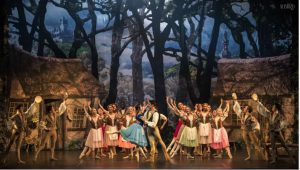
Creo que es la comunicación, es ese entendimiento. No hay mucho tiempo, y disponer de tiempo para ensayar cuesta mucho dinero. Y hay margen para mejorar la calidad de la conexión entre la música y la danza, de modo que puedan trabajar de verdad juntos. Por ejemplo, a veces los bailarines están tan concentrados en lo que hacen, asegurándose de que sea bonito, perfecto, maravilloso, que quizá no piensen en estas otras cosas; o estamos tocando en sintonía, sí suena fabuloso, ya sabes, pero no estamos pensando en ellos, pero si te sientas entre el público y escuchas, el efecto es inconsciente. Porque no piensas en el efecto de la música, simplemente lo sientes. Queremos cuidar de los bailarines y hacer que aparecan increíbles, pero también queremos crear esta atmósfera, esta calidad, este dramatismo. Y esto pasa por tener esta comunicación. Así, un bailarín confiará en ti; cuando necesite algo, tú lo cuidarás. Y como confían en ti, cuando haces algo deliberadamente para crear dramatismo, entienden por qué lo haces y colaboran contigo. Especialmente en una obra como Giselle, donde solo gesticulan. Ni siquiera están bailando, pero el dramatismo es importante. Tiene que ser una historia. El público tiene que sentirse involucrado. Y por eso, todo tiene que funcionar en conjunto.
So, what’s the key to conduct a ballet?
I think it’s communication, it’s this understanding. There is not much time, everything costs a lot of money to have time to rehearse. And there is room to improve the quality of the connection between the music and the dance, so you can really work together. For example, sometimes dancers so focused on what they are doing making sure this is beautiful this is perfect this is wonderful and maybe they’re not thinking about this other thing or we’re playing in tune does it sound fabulous you know and we’re not thinking about them, but if you sit out in the audience and listen, the effect is subconscious. Because you don’t think about the effect of the music, you just feel it. We want to look after the dancers and make them look amazing, but we also want to have this atmosphere, this quality, this drama. And it’s having this communication. So, a dancer will trust you, when they need something, you will look after them. And because they trust you, when you do something else deliberately for drama, they understand why you’re doing it and they will work with you. Especially a piece like Giselle, they’re just doing mine. They’re not even dancing, but the drama is important. It has to be a story. The audience has to be engaged. And so, you need everything to work together.
Creo que hay un mensaje muy importante sobre los valores en este ballet, Giselle. ¿Qué crees que puede aportar esta obra al público cuando va al teatro?
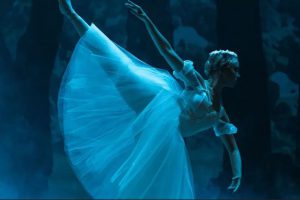
Bueno, creo que tiene un poco de todo. Creo que eso es lo realmente encantador de la historia de estos ballets, especialmente de Giselle. La música tiene mucho carácter y te lleva del campesino a la realeza, de la diversión al amor, a la frivolidad y a la ira, y tienes ese lamento y te mueves a través de una belleza pura y destilada, y es desgarrador, tiene todas las emociones humanas condensadas en aproximadamente una hora y media. Es increíble que, como persona, pases por todas estas cosas y sientas todas estas emociones. Es una historia sencilla, pero está muy bien hecha.
I find there is a very important message on values in this ballet, Giselle. What do you think that this work can bring to people when they go to the theatre?
Well, I think it’s got a bit of everything. I think that’s what’s really lovely about these story ballets, especially Giselle. It’s very characterful music and so it takes you from the peasant to the royal, to the fun to the love, to the frivolity, and the anger and you have that lament and you move through pure distilled beauty and it’s heart-wrenching it has every Human emotion condensed into about an hour and a half. It’s amazing that you go through all these things as a person and feel all these things. It’s a simple story but so well done.
Giselle tiene la oportunidad de vengarse, pero no lo hace. Supera ese resentimiento.
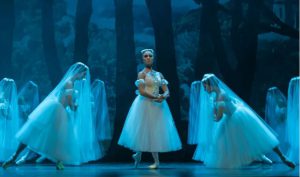
Creo que ese es el mensaje, esa es la idea de que a veces…, y supongo que esto se puede aplicar a muchas situaciones en todo el mundo, simplemente hay que comportarse como un adulto, hacer lo correcto, y no actuar como un niño y comportarse de forma caprichosa.
Y creo que, si quieres simplificar y generalizar el peligro en el mundo, es que todo el mundo quiere que las cosas se hagan de inmediato, que todo se arregle, y por supuesto eso no es posible. A veces hay que tener una visión a más largo plazo, paciencia, pero eso no está de moda hoy en día. Creo que tenemos este problema. Lo vemos en la política: no se puede arreglar para la semana que viene, votarás a otra persona, pero a veces hay que ser maduro y decir: «No, esto es difícil, es un problema, va a llevar tantos años arreglarlo y no te va a gustar, pero es la forma correcta». Sí, podrías simplemente vengarte y ahí se acabaría todo. Pero quizá lo más humano sea perdonar. Tener algo de paciencia para pensar a largo plazo y animar a la gente a hacer lo correcto.
Giselle has a chance to revenge, but she doesn’t. She overcome that resentment.
I think that’s the message, that’s the point that sometimes And I guess you can apply this in so many situations around the world. Sometimes you just have to be a grown-up, do the right thing, and not be a child and do the petulant thing.
And I think, if you want to massively simplify and generalize the danger in the world, is everyone wants things done immediately, everything fixed, and of course it’s not possible. Sometimes you have to take a longer view, patience, but that’s not fashionable these days. I think we have this problem, we see it in the politics, you can’t fix it by next week you’re out vote for someone else but sometimes you have to be a grown-up and say no, this is hard this is a problem, it’s going to take this many years to fix it, and you’re not going to like it, but it’s the right thing to do. Yes, you could just get revenge and that would be the end. But maybe the more human thing is to forgive. To have some patience to think of the longer to challenge people to do the right thing.
Y ella no solo lo salva a él, sino que se salva a sí misma de convertirse en una Wili. Creo que esta es una enseñanza muy importante.
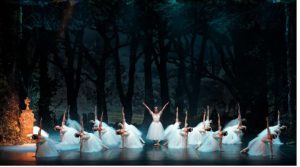
Creo que en todas las culturas hay historias así, en el budismo… y en todo lo que viene de hace siglos. Ya sabes, ha pasado algo malo y el joven monje sigue furioso por ello más tarde ese mismo día, el monje viejo y sabio le dice: «Sabes, eres la única persona que sigue cargando con este problema; todos los demás lo han superado y han aprendido a dejarlo atrás».
Aprender a seguir adelante, aprender a averiguar lo que sea que sea. Estas son cosas importantes para ti. No solo para la persona que ha hecho algo terrible. Así que creo que podemos ver estas lecciones en todas partes.
And she not only saves him but she saves herself from becoming a Wili. I think this is a very important teaching.
I think in every culture you have these tails, in Buddhism…, and everything from centuries ago. You know, something bad has happened and the young monk is still furious about it later in the day and the old wise monk tells him you know you’re the only person who’s still carrying this problem everyone else has moved, past it and learn to put something down.
Learning to move on, learning to figure out what ever it might be. These are important things for you. Not just the person who’s done the terrible thing. So, I think we can see these lessons everywhere.
Sin embargo, hoy en día es difícil encontrar esos valores. La sociedad se está acostumbrando a esas series y películas modernas… sin valores o incluso con antivalores… y eso es muy preocupante.
Sí, y también o es blanco o es negro. Todo es esto o lo otro. Y en la vida real hay aspectos positivos y negativos, y hay que equilibrarlos, y hay que tener la madurez para ser consciente de ello. Y decir que es esto o es lo otro es probablemente un error. Nada es tan sencillo como les gusta sugerir.
However, nowadays, these values are difficult to find. Society is getting used to this modern series, films… with no values or even anti-values… and that’s very worrying.
Yes, and also very black and white. Everything is either this or this. And in real life, there are positives and negatives, and you have to balance them, and you need to have the maturity to be aware of it. And to say this or this, is probably both wrong. Nothing is quite simply as they like to suggest.
Hoy en día, debido a las tecnologías modernas y a la inteligencia artificial, la gente se está acostumbrando a no esforzarse…
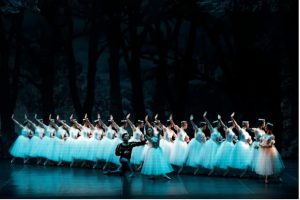
Creo que otro reto al que nos enfrentamos, especialmente en la música clásica, la ópera y el ballet, es que hace cientos de años, cuando Mozart componía su última ópera y la representaban en Viena o donde fuera, eso era todo lo que había durante bastante tiempo. No había televisión; no había cine. Así que ibas a verla y probablemente la volvías a ver. Y cada vez que ibas aprendías más sobre ella. Y está escrita de tal manera que cada vez que vas hay más que aprender, hay más que amar y hay más que apreciar, y cuanto más esfuerzo pones en sumergirte en este tipo de cosas, más te reporta.
Ahora bien, el peligro es que la primera vez que la ves, puede resultar mucho. No es necesariamente que pienses que la actuación es demasiado larga o imponente —puede ser maravillosa—, pero la primera vez que la ves, puede parecer casi demasiado grandiosa, y eso puede desanimar a la gente. Pero si te esfuerzas, te preparas un poco e intentas entenderla, acostumbrarte a ella o aprender cómo funciona, le sacarás más partido. Pero creo que, en el mundo moderno, la gente lo quiere todo al instante. El entretenimiento: basta con ver el cine y la televisión. La mayor parte es gratificación instantánea. Y, al parecer, todo se está acortando. Ya sabes, antes los episodios de televisión duraban 90 minutos, luego una hora y 40 minutos. Ahora duran 20 minutos y, al final, nos quedamos con cosas minúsculas que duran 5 minutos, porque ese es el tiempo de atención que tenemos. Y si piensas en una película típica de Hollywood, es increíbles. ¿Te apetecería verla dos veces? No. Pero la música clásica no se compuso para eso. No está construida de esa manera. Cada vez que la escuchas, puedes descubrir algo nuevo. Puedes aprender más. Y por eso, los que realmente la amamos, porque llevamos años dedicándonos a ella, lo pasamos de maravilla, pero a alguien nuevo le cuesta un poco entrar en ella porque hay que esforzarse bastante. Tienes que invertir en ella y entonces obtendrás algo a cambio. Y esa no es una forma de pensar muy moderna.
These days, due to modern technologies and IA, people are getting used to not make efforts…
I think that another challenge that we have especially in classical music opera ballet is that hundreds of years ago, when Mozart wrote his latest opera and they would perform it in Vienna or wherever it was, this is all there would be for quite a while. You didn’t have television; you didn’t have cinema. So, you go and see this and you probably see it again. And every time you go you learn more about it. And the way that it’s written is that every time you go there is more to learn and there’s more to love and there’s more to appreciate, and the more effort you put in to immerse yourself in this type of stuff the more you get back.
Now, the danger is that the first time you see it, it can be a lot. It’s not necessarily that you think their acting is too long or imposing —they can be wonderful— but the first time you see it, it might just feel too huge, almost, and it can put people off. But if you put the effort in and do some preparation and try and understand or get used to it or learn about the way that it works; you’ll get more out. But I think in the modern world, they want everything in a snap. The entertainment, you just look at the film and the TV. Most of it is instant gratification. And apparently everything’s getting shorter. You know, when had episodes on TV that used to be 90 minutes, in an hour, and 40 minutes. Now that has 20 minutes and now, we get down to tiny things which are 5 minutes long because this is the attention span that we have. And you think of the average Hollywood movie, they’re amazing. Would you want to see it twice? No. But that’s not what classical music was written for. It’s not the way it’s constructed. Every time you see it, you can get more. You can learn more. And therefore, those of us that really love it, because we’ve been doing it for ages, we’re having a wonderful time, but it’s kind of hard for someone new to get into it because you have to kind of put it in quite a lot of effort. You have to invest in it and then you’ll get something out. And that’s not a very modern way of thinking.
¿Qué compositor te inspira más?
Vaya, esa es una pregunta difícil. Hay muchos. Y no tengo uno favorito. Creo que diría que Beethoven. Me encanta la forma en la que él ha partido de algo bastante clásico y familiar, y ha empujado los límites y encontrado el drama, la emoción, formas de sorprender al público, sin dejar de respetar el marco formal; es genial, absolutamente genial.
Bach es increíble por razones similares; coge algo que parece muy normal, pero hace cosas bastante mágicas casi sin que te des cuenta. Muy, muy especial… También me encanta Mahler, sus enormes formas musicales, hay tanta humanidad ahí. Tantas emociones humanas, tantos colores, cada pieza contiene el mundo entero, lo cual es un poco ridículo, pero en realidad se acerca bastante. Y es algo mágico. Así que soy un gran admirador.
Which composer inspires you more?
Oh, there’s a hard question. There are lots. And I don’t have one favourite. I think I would say Beethoven. I love the way that he’s moved from something that’s quite classical and familiar, but he’s pushed boundaries and he’s found drama, he’s found excitement, he’s found ways to surprise people, but still staying within that formal constraint, it’s genius, absolutely genius.
Bach is amazing for similar reasons; taking something that’s seemingly very normal, but just doing quite magical things almost without even noticing. Very very special… But I love Mahler, huge musical forms, there’s so much humanity in there. So much human emotions, so many colours, every piece contains the whole world, which is slightly ridiculous, but actually he gets quite close. And it’s magic stuff. So, I’m a big fan.
¿Alguna vez te han propuesto dirigir música compuesta por ordenador o algo parecido?
Have you ever been proposed to conduct music composed by computer or something like that?
No.
¿Ocurrirá?
¿Ocurrirá? No lo sé. Creo que este tipo de cosas suelen ser bastante limitadas. Para ser justos, hay mucha gente por ahí componiendo deliberadamente música bastante limitada: cosas bastante repetitivas y poco imaginativas, que no son más que música de ambiente. Creo que es lo que a la gente le gusta tener de fondo cuando está haciendo otra cosa y no quiere que la molesten.
Sin duda hay una tendencia hacia este tipo de cosas de bajo impacto y quizá veamos a los ordenadores produciendo este tipo de cosas en masa. El tipo de música que se oye cuando entras en el ascensor, ¿sabes? ¿Harán las orquestas ese tipo de música? Es cuestión de tiempo que suceda. ¿Será buena? Por ahora no. Creo que hay que recordar que, si nos fijamos en lo que tocan todas estas orquestas, algunas de las piezas tienen cientos de años. La única razón por la que han sobrevivido 300 o 400 años es porque son realmente muy buenas. Son las mejores. De cientos de años, solo hemos conservado las buenas. Así que hoy en día, cuando surge música nueva, hay piezas fantásticas y otras que no son tan buenas. Pero estas se olvidarán y solo conservaremos las buenas. Así es como funciona la vida. Tenemos mucha suerte de poder elegir entre cientos y cientos de años de música. Así que solo sobrevive lo bueno. Quizás un ordenador componga algo brillante y nos emocionemos mucho. Quizás componga algo aburrido y todos lo olvidemos. Así que vamos a esperar y veremos.
Will it happen?
Will it happen? I don’t know. I think these things are usually quite limited. To be fair, there are lots of people out there deliberately writing quite limited music. quite repetitive, unimaginative things with just kind of atmosphere music. I think it’s what people like to have on in the background when they’re doing something different and don’t want to be disturbed.
There is definitely a trend for these kinds of low-impact things and maybe you’ll see computers churning out this sort of thing. The sort of thing you hear when you go in the elevator, you know? Will orchestras do that kind of music? It’s about to happen at some point. Will it be good? Not at the moment. I think you have to remember that you look at what all these orchestras play and some of the pieces are hundreds of years old. The only reason they survived 300 years; 400 years is because they’re really really good. They’re the best ones. Back then, there were hundreds of pieces and we’ve just kept the good ones. So today, when you get new music, you get some fantastic pieces and you get some which are not so good. But they will be forgotten and we just keep the good ones. This is how life works. We’re very lucky we have hundreds and hundreds of years of music to choose from. So only the good stuff survives. So maybe a computer will write something for brilliant, and we’ll be very excited. Maybe we’ll write something boring and we’ll all forget about it. So, let’s just wait and see.
¿Seguirás trabajando en el mundo del ballet en un futuro próximo? ¿O quizá solo con orquestas?
Estoy seguro de que seguiré haciéndolo. Y además, a veces me gusta hacer cosas sin baile, para variar. Está bien tener un equilibrio. Lo bueno es que, con cientos de años de música a nuestras espaldas, hay muchísima variedad. Se pueden hacer cosas realmente diferentes.
Además, hay muchas cosas que me gustaría volver a hacer. Así que siento que cada vez que haces algo, como decía antes, aprendes algo nuevo y te llevas esa experiencia. Por eso, hay muchas cosas que me gustaría volver a hacer. Tienes una pequeña temporada, quizá cuatro o cinco, quizá algunas más, y así puedes seguir mejorando cada vez más. Pero a veces, cuando das un concierto, solo uno, y piensas: «Me gustaría volver a hacerlo», es maravilloso hacer cosas en el escenario que normalmente puedes hacer más de una vez.
In the near future, will you carry on working with ballet? Or maybe only orchestra?
I’m sure I will. keep doing that. And also, I like to doing things without dances sometimes for a change. It’s nice to have a different balance. The nice thing is with hundreds of years of music, there is so much variety. You can do really different stuff.
Also, there’s lots of things I’d like to do again. So, I feel every time you do something like I was saying with these layers, you learn something new about and take that experience So, there’s lots of things I would like to do again. You’ve got a little run maybe four five maybe a few more and so you can keep getting better and better. But sometimes when you do a concert just one and you think, you know, I’d like to do that again it’s lovely to do things with the stage that you normally get to do more than one.
El maestro Daniel Capps nos ha abierto los entresijos de una profesión muy hermosa pero también bastante desconocida: la dirección de ballet. Se requiere una gran atención al detalle, conocimientos y empatía para tender un puente entre dos tipos diferentes de profesionales que han dedicado toda su vida a perfeccionar sus habilidades: los músicos y los bailarines. No solo es necesario un conocimiento profundo de la obra, sino también la capacidad de hablar dos idiomas diferentes, el de los músicos y el de los bailarines, y el saber hacer necesario para conectarlos.
Este sábado, en el Auditorio Víctor Villegas, Giselle será interpretada por la Orquesta Sinfónica de la Región de Murcia y el Ballet de Barcelona, bajo la dirección de Daniel Capps. Les deseamos una interpretación maravillosa y en perfecta unión, para que los valores profundos de esta graciosa obra maestra puedan llegar al corazón del público.
Maestro Daniel Capps has opened the door to the inner working of a very wonderful profession but also quite unknown: the ballet conductor. It requires so much care to detail, knowledge, and empathy to build a bridge between two different types of professionals who have devoted all their lives to perfecting their skills: musicians and dancers. Not only a profound knowledge of the piece is required, but the ability to speak two different languages: the musicians’ and the dancers’, and the know-how to connect them.
This Saturday at the Víctor Villegas Auditorium, Giselle will be performed by the Symphonic Orchestra of the Region of Murcia and the Barcelona Ballet, under the direction of Daniel Capps. We wish them a wonderful performance and a perfect union, so that the profound values of this graceful masterpiece may touch the hearts of the audience.
Gloriana Ivanova and Cardimina Almela