Encuentros con la buena gente / Meeting good people: Narek Hakhnazaryan
Los músicos pueden sanar las almas y los corazones
Musicians can heal souls and hearts
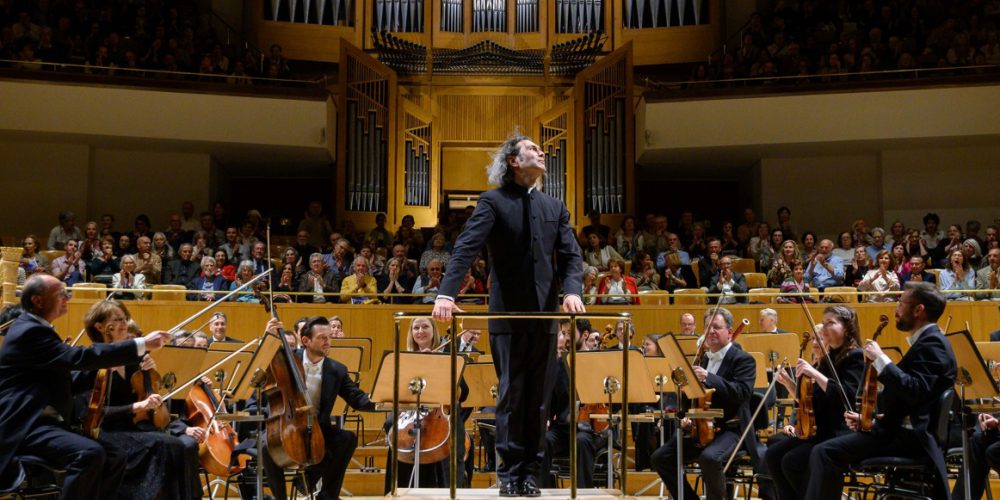
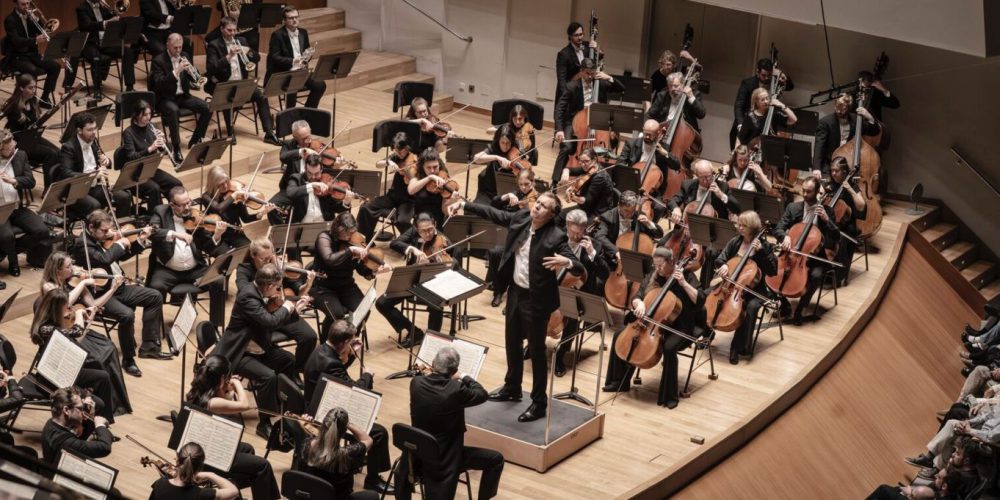
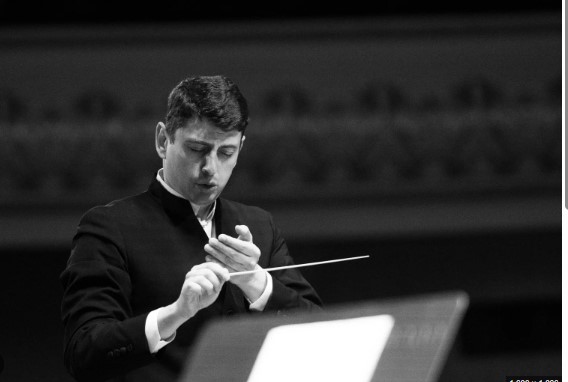
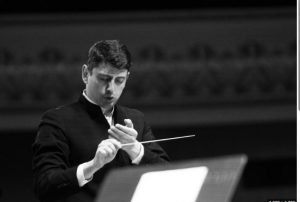
Narek Hakhnazaryan es un virtuoso violonchelista armenio que ha debutado este mes de mayo aquí en España como director de orquesta. Narek nació en una familia de músicos y gracias a la confianza y la paciencia de sus padres, ha llegado a ser un gran músico. Con 22 años, ganó el Concurso Internacional Tchaikovsky 2011. Debutó con orquestas de prestigio como la Sinfónica de Chicago y la Filarmónica de Londres, y ha recorrido los escenarios más importantes del mundo bajo la dirección de importantes maestros como Valery Gergiev. En la actualidad, es reconocido como uno de los violonchelistas más destacados y expresivos de su generación. Este mes de mayo ha debutado aquí en España como director de orquesta con una importante gira asumiendo el doble rol de director y solista junto a la célebre Orqueta de Cámara de Viena (Wiener KammerOrchester).
Nos encontramos con Narek Hakhnazaryan en el Auditorio Víctor Villegas en Murcia unos minutos antes de su último concierto de esta gira por España. Disfrutamos de su naturalidad y buen sentido del humor y de la profundidad con la que él vive la música y su profesión como músico.
Narek Hakhnazaryan is a virtuoso Armenian cellist who made his conducting debut here in Spain this May. Narek grew up in a family of musicians, and thanks to their parents’ trust and patience he become great musician. At just 22, he won the 2011 International Tchaikovsky Competition. Since then, he has debuted with world-class orchestras like the Chicago Symphony and the London Philharmonic, performing on the world’s biggest stages under legendary conductors such as Valery Gergiev. Today, he is regarded as one of the most outstanding and expressive cellists of his generation. This May, he made his debut as a conductor in Spain, taking on the double role of conductor and soloist during a major tour with the famous Vienna Chamber Orchestra (Wiener KammerOrchester).
We caught up with Narek Hakhnazaryan at the Víctor Villegas Auditorium in Murcia, just a few minutes before the final concert of his Spanish tour. We really enjoyed his naturalness, his good sense of humour, and the depth with which he lives music and his career.
En una entrevista, mencionas que la música puede sanar a la gente, y tú tuviste esta experiencia cuando te presentaste en 2011 al Concurso Tchaikovsky… / In an interview, you mention that music can heal people, and you experienced this in 2011 at the Tchaikovsky Competition…
Sí, definitivamente creo que la música sana, y pienso que, si los doctores sanan el cuerpo de la gente, los músicos pueden sanar sus almas y sus corazones. En mi opinión, el proceso de sanación y su efectividad dependen del tipo de música, porque diferentes tipos de música despiertan diferentes emociones y sentimientos. Por ejemplo, géneros como rap, pop o rock pueden darte más energía y adrenalina, pero es un efecto muy breve.
Para mí, la música clásica puede tocar la parte más profunda del alma de una forma que no lo haría otra música. Aunque escucho todo tipo de música como jazz, rock, pop, rap, etc., yo aprecio todo tipo de música, pero realmente creo que la música de de Tchaikovsky, Dvorak, Bach, Beethoven…, toca las partes más profundas del alma y toca las cuerdas del corazón. El efecto de la música clásica se queda mucho más tiempo y es mucho más profundo.
Si hablamos de las circunstancias…, podemos decir que una canción de rock te da un tipo específico de adrenalina para todo aquel que la escucha. Sin embargo, la belleza de la música clásica es que la misma pieza puede evocar diferentes emociones y tener diferentes efectos en gente diferente dependiendo de sus experiencias de vida y su estado actual, si es tristeza, alegría… ¿Sabes? Cada persona respira la música clásica de forma diferente. Así, creo que para alguien que ha experimentado una tragedia personal reciente, la Quinta o la Sexta Sinfonía de Tchaikovski tendrá un impacto mucho más profundo que para alguien que vive una vida fácil y feliz. Diría que la percepción de la música clásica es muy personal ya que afecta a cada persona individualmente.
Yes, definitely I think that Music heals, and I think that if doctors heal people’s bodies, musicians can heal their souls and hearts. In my opinion, the healing process and its effectiveness depend on the genre of music, because different musical genres target different emotions and feelings. For example, genres like rap, pop or rock, can give you more energy and adrenaline, but it is a very short-lived effect.
For me, classical music can touch the deepest part of the soul in a way that no other music can. Although I listen to all sorts of music like jazz, rock, pop, rap, etc. I appreciate any kind of music, but I strongly believe that the music of Tchaikovsky, Dvorak, Bach, Beethoven…, it touches the very deepest part of the soul and plays on the strings of the heart. The effect of classical music lasts much longer and is much deeper.
If we talk about circumstances…, let’s say, a certain rock song gives a specific type of adrenaline to everyone who listens to it. However, the beauty of classical music is that the same piece can evoke different emotions and have a different effect on different people depending on their life experiences and current mood, whether it is happiness or sadness… You know, every person breathes classical music differently. So, I think that for someone experiencing a recent personal tragedy, Tchaikovsky’s Fifth or Sixth Symphony will have a much deeper impact than for someone who has lived a pretty easy and happy life. I would say that the perception of classical music is very personal as it affects each person individually.
En tus entrevistas, encuentro que siempre mencionas ‘libertad’ y ‘creatividad’. Al mismo tiempo, los músicos necesitan adaptarse a ciertas reglas. ¿Entonces, se deben poner de lado la libertad y la creatividad? ¿Se puede encontrar un equilibrio? / In your interviews I found that you always mention ‘freedom’ and ‘creativity’. At the same time musicians need to adapt to certain rules. So, must creativity and freedom be put aside? Can we find a balance?
Bien, no sabría sobre encontrar un equilibrio. No sé si este equilibrio existe o no, pero creo que un músico, lo primero de todo, debería ser muy honesto consigo mismo y con el compositor. Si hablamos sobre música clásica, estamos tocando la música de otra persona, y una música increíble, y tenemos que ser honestos y sinceros. Uno de los fundadores del Teatro de Arte de Moscú, Stanislavsky, dijo una frase magnífica: “Ama el arte en ti mismo, no a ti mismo en el arte”. Esta es la clave para mí porque estos días veo muchos músicos que se cubren con la palabra creatividad e intentan inventar cosas solo para sobresalir entre los demás. Para mí, la primera prioridad es qué creo acerca de sobre qué es la música y qué emociones el compositor quería traer con su música; entonces, pongo todo esto a través de mí mismo, a través de mis emociones, y este es el resultado que se produce cuando toco el chelo o dirijo la orquesta. Los músicos son un puente entre el compositor y la audiencia; estamos leyendo el mensaje del compositor, así que debemos respetar ese mensaje muchísimo, y leerlo a nuestra manera.
Por ejemplo, las obras de Shakespeare fueron escritas hace 500 años, y en el famoso monólogo de Hamlet “Ser o no ser, esa es la cuestión”, las palabras ya están escritas. No puedes cambiarlas, pero hay un millón de entonaciones diferentes con las que puedes decirlas. Y este es el trabajo del músico, respetar las palabras del compositor, pero decirlas a su propia manera, única y honesta. Y en ese caso, creo que no es necesario pensar sobre libertad o creatividad porque no los necesitas. Si eres realmente honesto contigo y con la música, no necesitas inventar nada nuevo, solo tocar esta hermosa música que ya está escrita y ser sincero. Y si eres sincero y crees en ti mismo, la audiencia también sentirá esta sinceridad. Creo que es lo más importante para un músico de clásica.
Well, I don’t know about finding a balance. I don’t know if that balance exists or not, but I think that a musician, first of all, should be very honest with himself and with the composer. If we talk about classical music, we are playing other people’s music, and amazing music and that, and we have to be very honest and sincere. One of the founders of the Moscow Art Theatre, Stanislavsky, said a grate phrase: “Love the art in yourself, not yourself in the art”. This is the key for me because these days I see many musicians who cover themselves with the word creativity and they try to invent things just to stand out among others. For me, the first priority is what I think the music is about and what emotions the composer wanted to bring with his music; then, I put it through myself, through my emotions, and that’s the result which I produce when playing the cello or conducting the orchestra. Musicians are a bridge between the composer and the audience; we are reading the composer’s message, so we must respect that message very much, and read it in our own way.
For example, Shakespeare’s plays were written 500 years ago, and in the famous Hamlet monologue “To be or not to be, that is the question”, the words are already written. You cannot change the words, but there are a million different intonations with which you can say them. And that’s the job of musicians, to respect the words of the composers, but to say them in their own unique and honest way. And, in that case, I think it is not necessary to think about freedom or creativity because you will not need them. If you are really honest with yourself and with the music, you don’t need to invent anything new, just play this beautiful music that is already written and be sincere. And if you are sincere and you believe in yourself, the audience will also will also feel that sincerity. I think that’s the most important thing for a classical musician.
Con referencia al futuro de la música clásica, ¿cómo piensas que las últimas tecnologías, IA…, le afectará? / Regarding the future of classical music, how do you think that the latest technologies, AI…, will affect it?
Creo que los músicos de clásica todavía están a salvo. Algunas profesiones ya están siendo reemplazadas por inteligencia artificial, incluso actuar está siendo reemplazado porque hay series de televisión y películas hechas completamente por inteligencia artificial. Los resultados son bastante buenos, aunque claro, echas de menos la naturalidad y hay una diferencia entre la actuación humana y la inteligencia artificial. En la música clásica no lo he visto todavía. Quizá en 5 años habrá interpretes artificiales que imitarán el nivel del alma humana, pero todavía no.
Para que la gente note la diferencia entre IA y la interpretación humana, la audiencia debe tener buen gusto. Lo que desafortunadamente veo estos días es que el nivel de educación y comprensión entre la audiencia de la clásica alrededor del mundo ha disminuido. Quizá haya más gente asistiendo a los conciertos —más gente joven—, lo cual es genial, pero siento que realmente no conocen la diferencia entre lo bueno, lo grandioso y lo genial. En mi opinión, la educación musical es importante para que el público pueda notar la diferencia entre la obra y el intérprete. Esto se debe a que hay tantas piezas clásicas que, por muy mal que las toques, siguen siendo obras maestras. Por lo tanto, la gente aplaude más a la pieza que a la interpretación, y creo que, mientras tengamos la oportunidad, necesitamos educar al público en estos niveles de gusto y comprensión. Cuando llegue la IA, estoy bastante seguro de que una persona bien educada que perciba la diferencia no se sentirá conmovida por la música creada por inteligencia artificial.
I think classical musicians are still safe. Some professions are already being replaced by artificial intelligence, and even acting is being replaced by artificial intelligence because there are already TV series and movies made completely by artificial intelligence. The results are quite good, though of course you miss the naturalness and there is a difference between human acting and artificial intelligence. As for classical music, I haven’t seen it yet. May be in five years there will be artificial performers who will imitate the level of the human soul, but not yet.
For people to notice the difference between AI and human performance, the audience must have a very high standards of taste. What I unfortunately see these days is that the level of education and understanding among classical audiences around the world has gone down. Maybe there are more people attending the concerts -more younger people- which is great, but I feel they don’t really know the difference between good, great, and genius. In my opinion, musical education is important so the audience can notice the difference between the piece and the performer. This is because there are so many classical pieces that no matter how badly you play them, remains a genius piece. So, people applaud the piece more than the performance, and I think that, while we still have a chance, we need to educate the audience in these levels of taste and understanding. When AI arrives, I’m pretty sure a well-educated person who perceives the difference will not be touched by AI-made music.
Son casi las siete y media y el concierto empieza a las ocho… Última pregunta: Has estado tocando durante una semana en diferentes lugares de España… ¿podrías contarnos un poco cómo ha sido tu experiencia en el país? / It’s nearly half-past seven and the concert starts at eight… Last questions: You’ve been performing for a week in different places in Spain… ¿can you tell us a bit about your experience in Spain?
Oh, es fantástico. España es uno de mis países favoritos para visitar. Me encanta tocar en España, y el público español, el clima, la historia, la arquitectura, la comida y el vino… venir aquí es una verdadera alegría. Esta gira junto a la Orquesta de Cámara de Viena ha sido realmente increíble, y para mí es un honor no solo tocar, sino también dirigir a esta maravillosa orquesta. Este es mi debut como director en España. Hasta ahora hemos estado en Zaragoza, Bilbao y Santander, y Murcia es nuestra última parada y estoy absolutamente feliz y deseando encontrarme con el público de Murcia
Oh, it’s fantastic. Spain is one of my favourite countries to visit. I love playing in Spain, and the Spanish audience, the weather, history, architecture, food and wine… coming here is a joy. This tour was really incredible together with the Vienna Chamber Orchestra, and for me, it’s a honour to not only play but also conduct this wonderful orchestra. This is my conducting debut in Spain. So far, we’ve been to Zaragoza, Bilbao and Santander, and Murcia is our last stop and I am absolutely happy and looking forward to meeting the audience in Murcia.
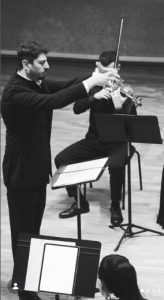
Agradecemos a Èlia Tell de Ibermusica y a Antonio Contreras, director del Auditorio Víctor Villegas, por su colaboración para que esta entrevista fuese posible. Con sinceridad y agradecimiento, felicitamos a la Orquesta de Cámara de Viena y a su director Narek Hakhnazaryan por acercar al público, con gran cordialidad y naturalidad, tres maravillosas obras del repertorio clásico y romántico. ‘Divertimento en Re mayor KV 136’ de Mozart, las ‘Variaciones sobre un tema Rococó’ de Tchaikovski, durante la cual Narek Hakhnazaryan dirigió la orquesta al mismo tiempo que tocó el chelo como solista, y por último la hermosa ‘Serenata para cuerda’ de Dvořák. Como el mismo director y solista nos comentaba durante la entrevista, al sentir la música desde dentro y unido a su talento natural como músico, tanto la interpretación como la dirección fluían de forma muy natural, lo que resultó, junto con la maestría de la orquesta, en un maravilloso concierto que podemos asegurar, tocó profundamente los corazones de muchos de los asistentes.
We would like to thank Èlia Tell from Ibermúsica and Antonio Contreras, director of the Víctor Villegas Auditorium, for making this interview possible. We also extend our sincere congratulations to the Vienna Chamber Orchestra and its conductor Narek Hakhnazaryan for bringing three wonderful works from the classical and romantic repertoire to the audience with great warmth and naturalness. Mozart’s ‘Divertimento in D major, K. 136’, Tchaikovsky’s ‘Variations on a Rococo Theme’—during which Narek Hakhnazaryan conducted the orchestra while playing the cello as a soloist—and finally, Dvořák’s beautiful ‘Serenade for Strings’. As the conductor and soloist mentioned during the interview, by feeling the music from within, combined with his natural talent as a musician, both the performance and the conducting flowed very naturally. Along with the mastery of the orchestra, this resulted in a wonderful concert that we can assure you, deeply touched the hearts of many of the attendees.
Amadea de Minné y Cardimina Almela